
Imagine a potential customer visiting your website at 10:30 PM.
They’re interested in your services, but they have a few questions before making a decision.
Your office is closed, and nobody is available to respond.
By the next morning, that customer may have contacted another business.
This is one reason AI chatbots are becoming a practical tool for small businesses, not just large corporations.
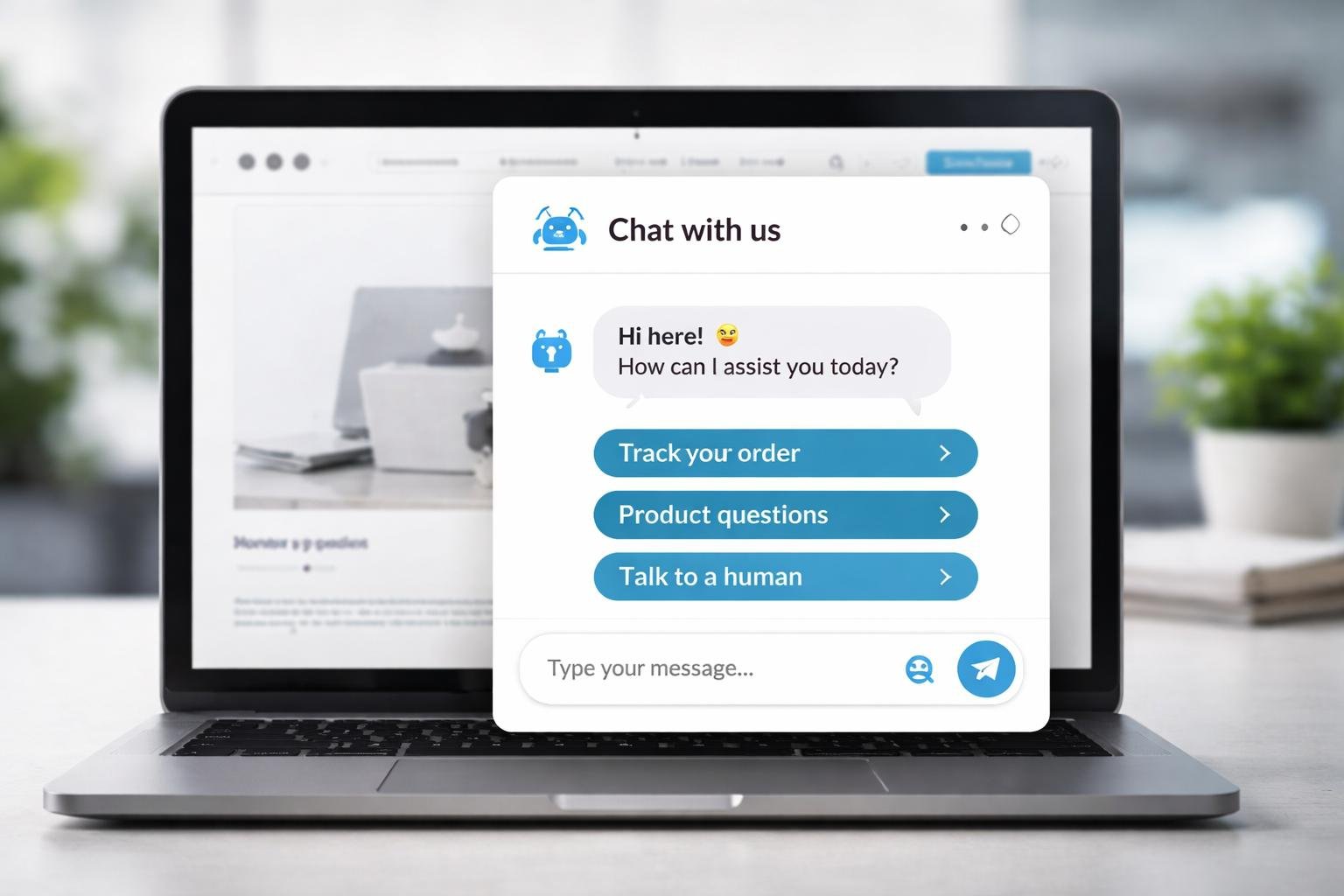
Modern website chatbots can do more than display a welcome message. When designed and configured properly, they can help answer questions, guide visitors, collect inquiries, and connect information with other business systems.
How Have AI Chatbots Changed?
Traditional chatbots usually operated with predefined questions and responses.
If a visitor asked something outside the programmed options, the chatbot often couldn’t help.
AI-powered chatbots can interpret a wider range of natural-language questions and respond using approved business information.
For example, a visitor might ask:
“Do you offer appointments on weekends, and how much does the consultation cost?”
A properly configured chatbot can look for the relevant information in the business’s approved knowledge base and provide an answer.
The key difference is that the interaction can feel more conversational and useful.
However, chatbot accuracy depends on the quality of its information, configuration, safeguards, and ongoing maintenance.
1. Respond to Customers Outside Business Hours
Small businesses cannot always provide live customer support around the clock.
An AI chatbot can help cover common questions when staff are unavailable.
This is useful for businesses such as:
- Veterinary clinics answering general appointment questions.
- Salons explaining services and booking procedures.
- Accounting firms describing consultation options.
- Retailers helping customers find product information.
- Service companies collecting quote requests.
Customers receive immediate guidance, while employees can focus on inquiries requiring personal attention.
2. Turn Website Conversations Into Potential Leads
A website visitor who asks a question is demonstrating interest.
A chatbot can help turn that interest into an actionable inquiry.
For example, a customer visiting a home renovation website might ask about kitchen remodeling.
The chatbot can explain the service, ask which area the customer lives in, and invite them to submit their preferred contact details.
With the right integrations and customer consent, that information can be passed to a CRM or designated team inbox.
Instead of leaving with unanswered questions, the visitor has a clear next step.
3. Reduce Repetitive Customer Service Work
Many businesses answer the same questions every day:
“What are your hours?”
“Which areas do you serve?”
“How do I request a quote?”
“Do you offer online appointments?”
These questions are important, but manually responding to each one takes time.
A chatbot can provide approved answers consistently.
This doesn’t eliminate the need for human support. It allows staff to spend more time handling complex questions, sensitive issues, and personalized customer needs.
4. Connect AI Chatbots With Business Tools
One of the most useful developments in business automation is the ability to connect chatbots with other systems.
Depending on the tools involved, a chatbot workflow might:
- Receive a customer inquiry.
- Collect the required contact information.
- Create a lead in a CRM.
- Notify the appropriate staff member.
- Trigger an approved follow-up workflow.
Tools such as n8n, Make, and Zapier can support these integrations when the connected platforms permit them.
The objective is not to automate every conversation. It’s to reduce unnecessary manual steps and help the business respond consistently.
5. Keep Customer Information Secure and Accurate
AI chatbots should be implemented responsibly.
Businesses need to decide what information a chatbot is allowed to provide, which customer details it can collect, and when a conversation should be transferred to a person.
Sensitive information requires extra care.
For example, a medical practice should not use a general-purpose website chatbot to provide personalized diagnoses.
A financial business should also establish appropriate restrictions for sensitive customer information.
Clear privacy notices, access controls, testing, and regular updates help reduce risks.
Is an AI Chatbot Worth It for Your Business?
An AI chatbot can be useful when your website receives repeated customer questions, visitors need guidance before contacting you, or your team spends too much time manually handling basic inquiries.
The best implementation starts with a specific business problem, not simply the desire to add AI.
At Website Desks, we help businesses explore personalized website chatbots, CRM connections, and practical workflow automation.
Our focus is on building tools that support real business operations rather than adding technology without a clear purpose.
Ready to make your website more helpful to customers?
Visit Website Desks to explore AI chatbot and business automation solutions.